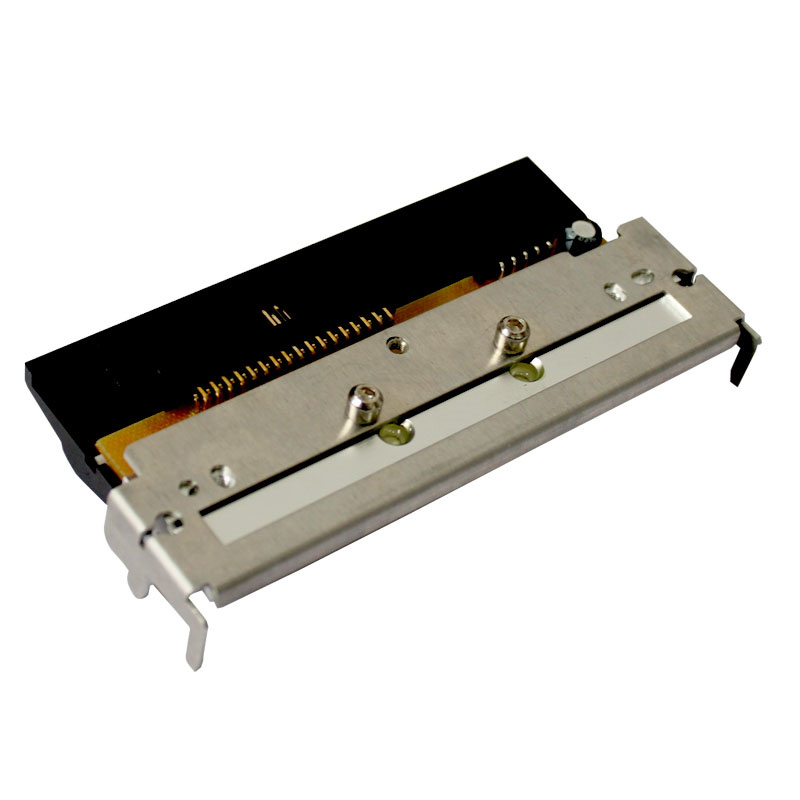

Understanding the Role of a Barcode Label Manufacturer
A barcode label manufacturer plays a pivotal role in providing customized solutions for businesses that require efficient tracking and identification systems. As industries increasingly rely on barcoding for inventory management and product identification, manufacturers offer specialized labels designed to meet unique business needs. These include labels with varying adhesive strengths, durability levels, and compatibility with printing technologies. Thermal label manufacturers are integral to this ecosystem, providing labels that can handle rigorous environments without compromising on clarity and reliability. Consequently, businesses benefit from improved logistics, reduced errors, and enhanced operational efficiency, all stemming from the expertise of a barcode label manufacturer.
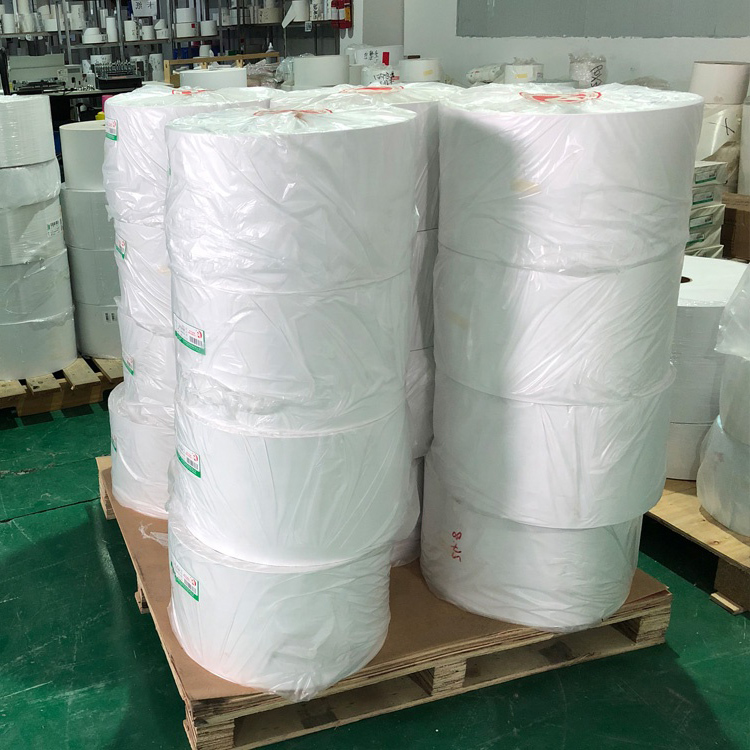
Specialized Production: From Adhesive Label Factory China to Global Markets
Adhesive label factories in China have emerged as leaders in providing versatile labeling solutions to a global market. These manufacturers harness cutting-edge technology and large-scale production capabilities to deliver labels that cater to a multiplicity of sectors, including retail, logistics, and manufacturing. Adhesive labels are engineered to endure various conditions, ensuring that critical information remains intact throughout the product's journey. Label factories prioritize quality and precision, offering labels designed with specific adhesive properties to match the required application, whether it's temporary pricing labels or permanent product identifiers. This initiative allows businesses around the world to leverage high-quality, cost-efficient labeling solutions designed and produced in China.
Innovations and Environmental Sustainability in Thermal Label Manufacturing
Thermal label manufacturing represents a significant stride towards sustainable business practices. A thermal label manufacturer focuses on producing labels that eliminate the need for inks and toners, using heat-sensitive materials instead. This innovation contributes to a greener supply chain by reducing waste associated with traditional ink-based printing methods. Moreover, the seamless operation and compatibility of thermal labels with existing printing infrastructures simplify logistics and reduce overall operational costs. Companies that integrate direct thermal labels in their operations benefit not only from improved efficiency and reduced environmental impact but also from the long-term reliability of these labels, which ensure optimal performance and clarity across diverse applications.