
When an automated packaging line or shipping dock begins generating unreadable barcodes, the root cause usually traces back to the micro-heating line of the thermal mechanism. Sourcing a replacement TSC MB241 Printhead is rarely just a matter of matching a part number on an invoice; maintenance technicians and procurement engineers must evaluate structural integrity, thermal contact alignment, and mechanical wear on adjacent feed components. In continuous thermal-transfer and direct-thermal workflows, even microscopic degradation across the heating resistor array translates directly into missed compliance scans, rejected pallets, and unplanned line downtime.
Anatomy of the Thermal Printhead Assembly
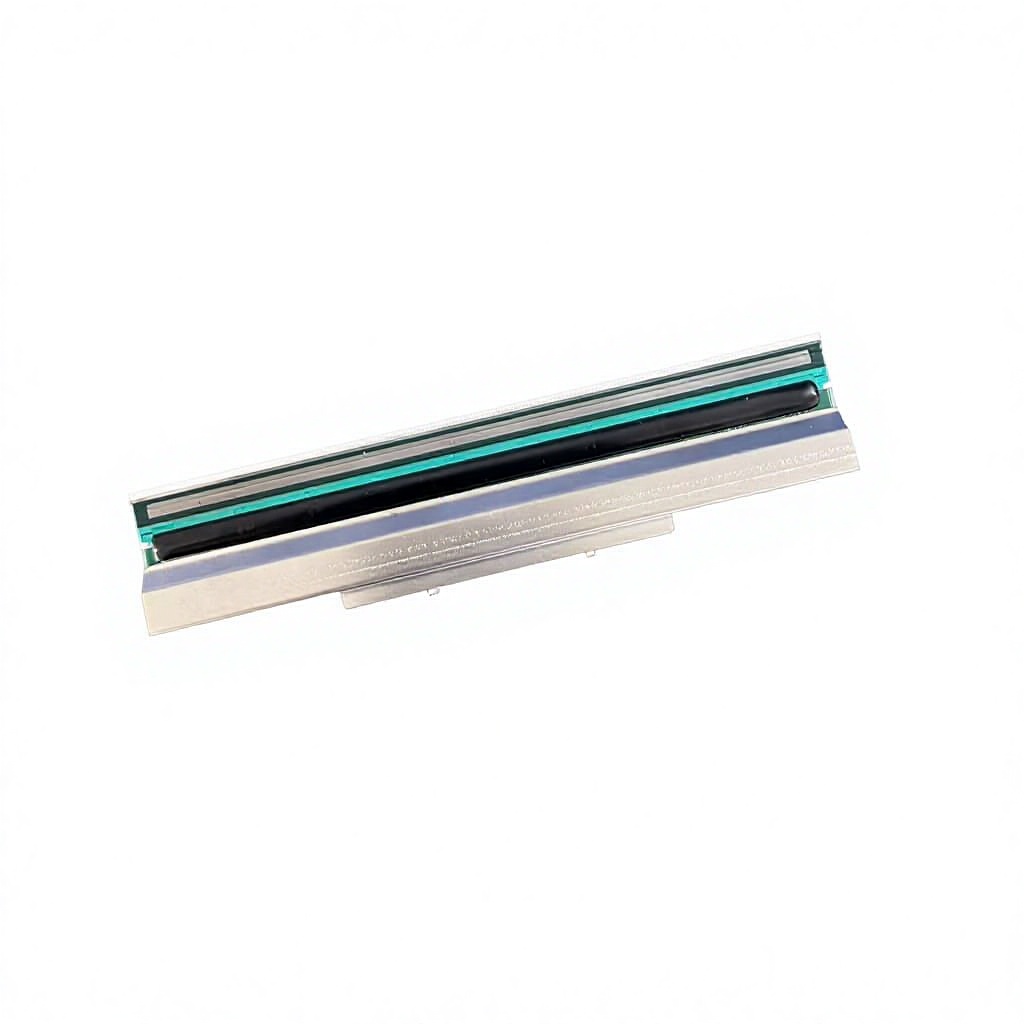
Thermal printheads operate in demanding electromechanical environments. Unlike inkjet or laser systems, the substrate or thermal ribbon makes direct, pressurized contact with the printing element. A component like the TSC MB241 printhead assembly combines structural rigid metal framing with sensitive, multi-layered microelectronics.
A closer inspection of these linear assemblies reveals several distinct structural layers:
- Rigid Support Base: Typically constructed from stamped or precision-machined sheet metal, the carrier provides structural flatness across the entire active printing width. Any minor twist or bow in this frame compromises print density on one edge of the label.
- Substrate and Circuit Layer: A ceramic or insulated metal substrate carries the thick-film or thin-film resistor line. The visible turquoise, green, or dark gray layered strips serve as insulating layers, circuit pathways, or protective overcoats designed to shield conductive traces from oxidation and friction.
- Mounting and Pivot Geometry: The underside features central mounting and alignment points that index directly into the printer's pressure bracket mechanism, ensuring even spring force distribution.
- Associated Roller Elements: In many modular thermal sub-assemblies, the printhead works directly opposite or alongside an elastomeric platen roller. While the platen may be purchased as a distinct maintenance part or supplied as an adjacent modular element, its concentricity and surface finish dictate whether the thermal line receives uniform backing pressure.
Primary Failure Modes: Abrasion, Burnout, and Contamination
Thermal printheads are consumable components by design, but premature failure often stems from mechanical or operating factors rather than natural end-of-life resistor burnout.
1. Mechanical Abrasion
Continuous friction against rough paper stocks or low-grade thermal transfer ribbons gradually wears away the protective glass overcoat. Once this protective barrier thins, the underlying resistive elements become vulnerable to physical chipping. Operators often notice this as faint vertical voids along the direction of label feed.
2. Localized Resistor Burnout
Thermal shock occurs when heat dissipation is uneven. If an operator cranks up darkness settings to compensate for a dirty head or incorrect ribbon chemistry, individual resistor dots overheat and fail permanently. This produces sharp, single-dot white lines through barcodes—instantly ruining barcode grade quality.
3. Adhesive Buildup and Contamination
Dust, label adhesive ooze, and ribbon wax accumulate along the leading edge of the ceramic strip. Because adhesive acts as a thermal insulator, it forces the printer's logic board to maintain high energy cycles, baking debris into a hardened glaze that cannot be wiped away with standard cleaning pens.
Sourcing and Compatibility Considerations for Maintenance Teams
When procuring a replacement TSC MB241 printhead or comparable thermal print mechanism, engineering and purchasing teams should verify several parameters before issuing a purchase order:
Mounting Geometry and Connector Orientation: Even within a specific printer family, sub-variants can exhibit subtle differences in ribbon cable connector pin pitch, grounding tab placement, or retention clip cutouts. Physical cross-referencing against the spent unit prevents installation delays.
Assembly Scope: Clarify whether the replacement part is the bare thermal element mounted on its heatsink bar or an integrated kit that includes replacement clips, grounding wires, or drive rollers. In high-cycle industrial settings, replacing the platen roller concurrently with the printhead is standard practice to prevent an old, grooved roller from immediately wearing out a new ceramic edge.
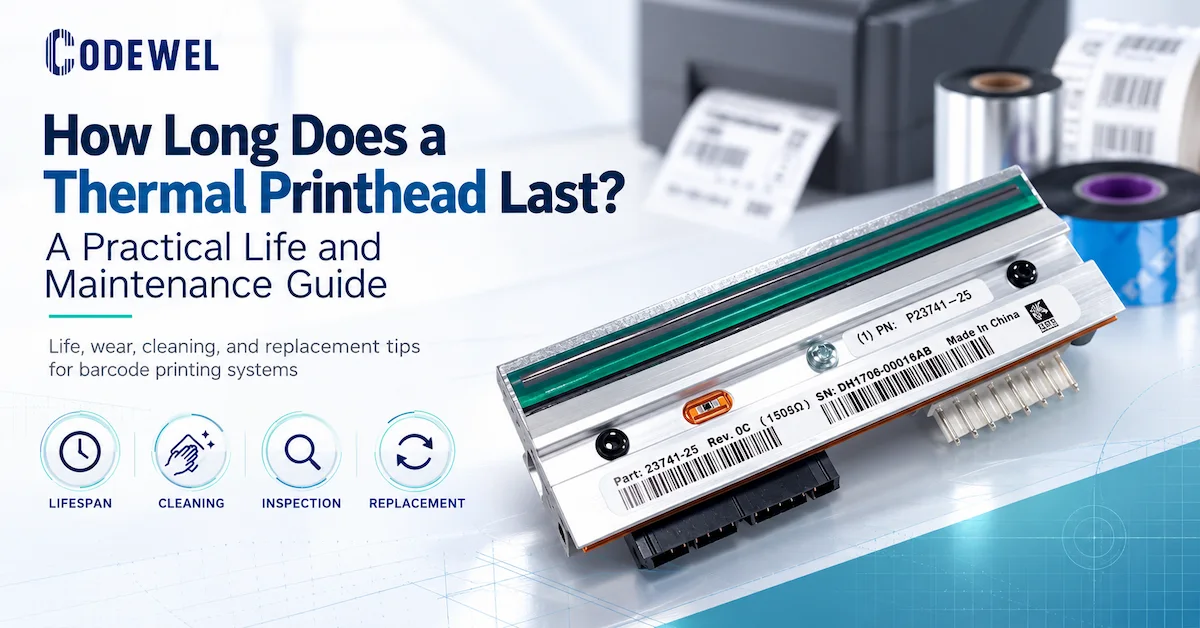
Resistance Ratings and Calibration: Modern thermal printheads frequently carry a factory resistance ranking (often printed as a label or stamped code on the metal chassis). While many modern firmware platforms read this automatically via EEPROM, manual adjustments to head resistance values in the printer setup menu may be necessary to balance print energy and prolong component lifespan.
Installation Best Practices to Protect Component Life
Replacing the printhead requires careful handling. A common workshop mistake is touching the active heating line with bare fingers; skin oils attract fine paper dust and carbonize rapidly under print temperatures.
Always disconnect power and ground yourself to discharge static electricity before handling the flexible flat cable (FFC). Electrostatic discharge (ESD) can destroy microscopic thermal drivers without leaving any visible physical mark. Once installed, avoid using metallic scrapers, utility blades, or aggressive industrial solvents to clear adhesive buildup. Stick strictly to 99% isopropyl alcohol wipes and lint-free swabs, cleaning the active contact edge between every media roll change.
Frequently Asked Questions
How can I tell if poor print quality is caused by the printhead or the platen roller?
A failed printhead dot produces a continuous, razor-straight void running the entire length of the web. If the void is intermittent, repeating at regular rotational intervals, or appears as smudged, uneven density across one side, inspect the platen roller for flat spots, cuts, or uneven latch pressure before discarding the head.
Can a scratched thermal printhead be repaired?
No. Once the protective glaze and micro-resistors are physically gouged or fractured, the electrical circuit is permanently interrupted. Surface polishing or re-coating is not technically feasible for micro-pitch thermal arrays.
Next Steps for Procurement and Fleet Maintenance
Maintaining spare printing modules on the shelf is essential for facilities running just-in-time logistics. When preparing your maintenance inventory, compare your installed unit's physical bracket layout, connection interfaces, and print cycle history against verified manufacturer specifications to ensure seamless replacement.